Use GPT-5.6 Sol, Terra, and Luna in Muse

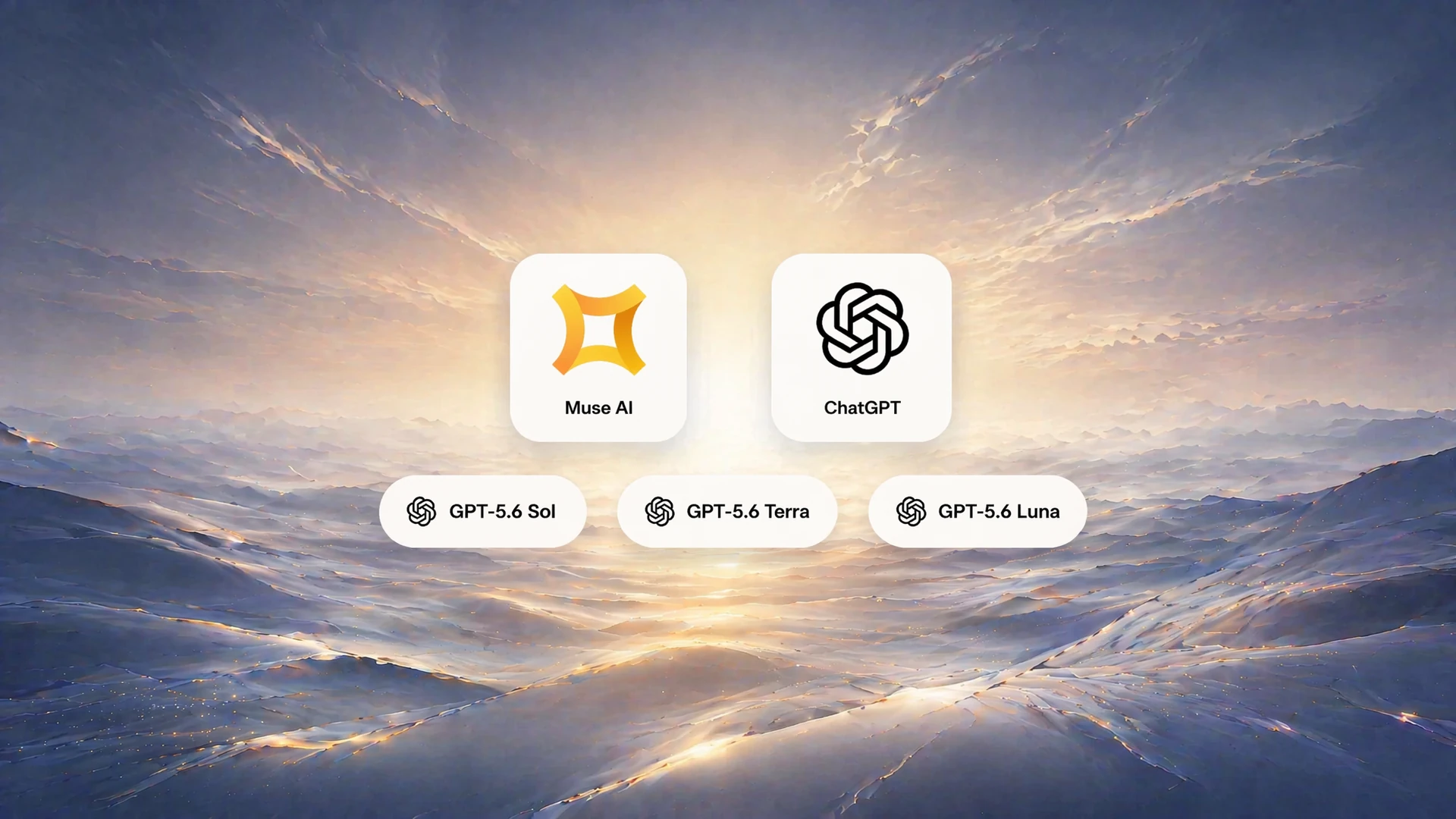
Muse connects GPT-5.6 models to your personal AI assistant, so GPT-5.6 Sol, GPT-5.6 Terra, and GPT-5.6 Luna can help turn connected context into research, slides, reports, documents, and real work outcomes—with your permission.

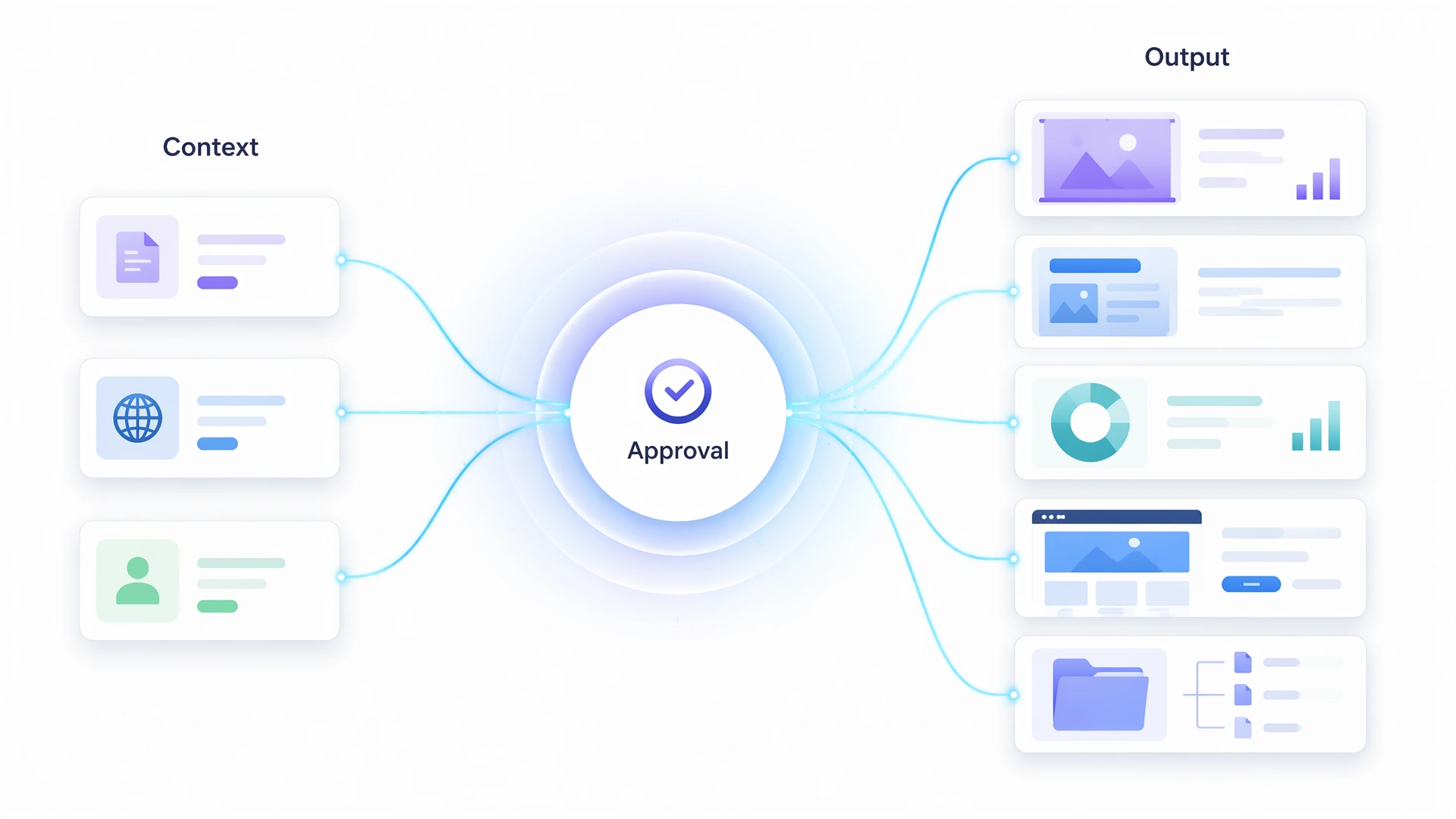
GPT-5.6 Sol, Terra, and Luna workflow inside Muse personal AI assistant.

GPT-5.6 brings frontier models into practical work

Sol, Terra, and Luna give Muse a flexible model family for deep reasoning, balanced everyday work, and fast high-volume execution.

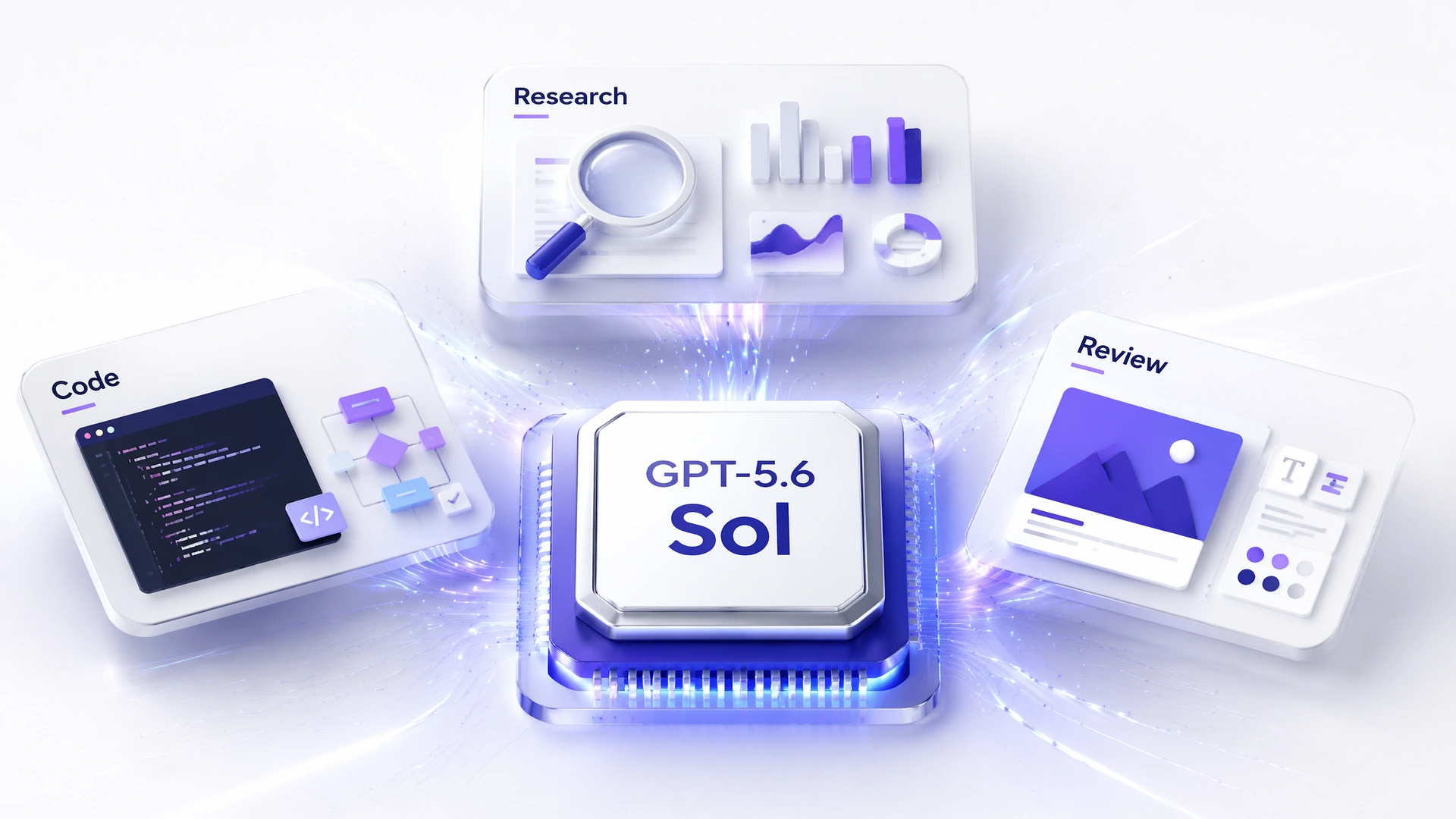
GPT-5.6 Sol supporting complex knowledge work in Muse.
Flagship

Sol for demanding professional work

GPT-5.6 Sol is positioned as the flagship model in the family, designed for complex coding, knowledge work, research, cybersecurity, science, computer use, and design judgment. In Muse, it is best used when a task needs deeper reasoning and careful output quality.

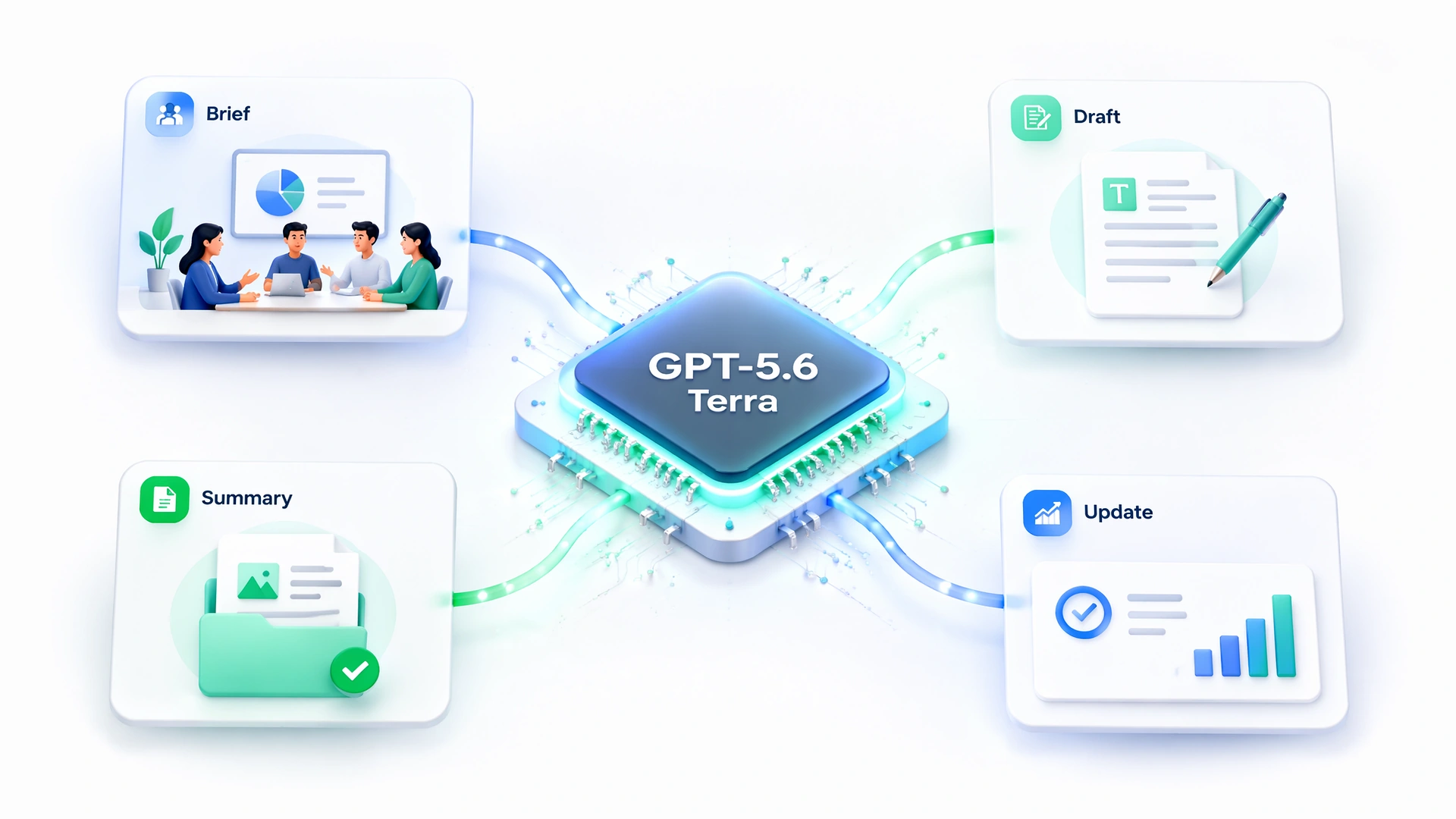
GPT-5.6 Terra helping everyday work in Muse.
Balanced

Terra for balanced everyday workflows

GPT-5.6 Terra is described as a balanced model for everyday work, offering a practical mix of capability, speed, and cost. In Muse, Terra can support recurring work such as meeting briefs, document drafts, file summaries, and project updates.

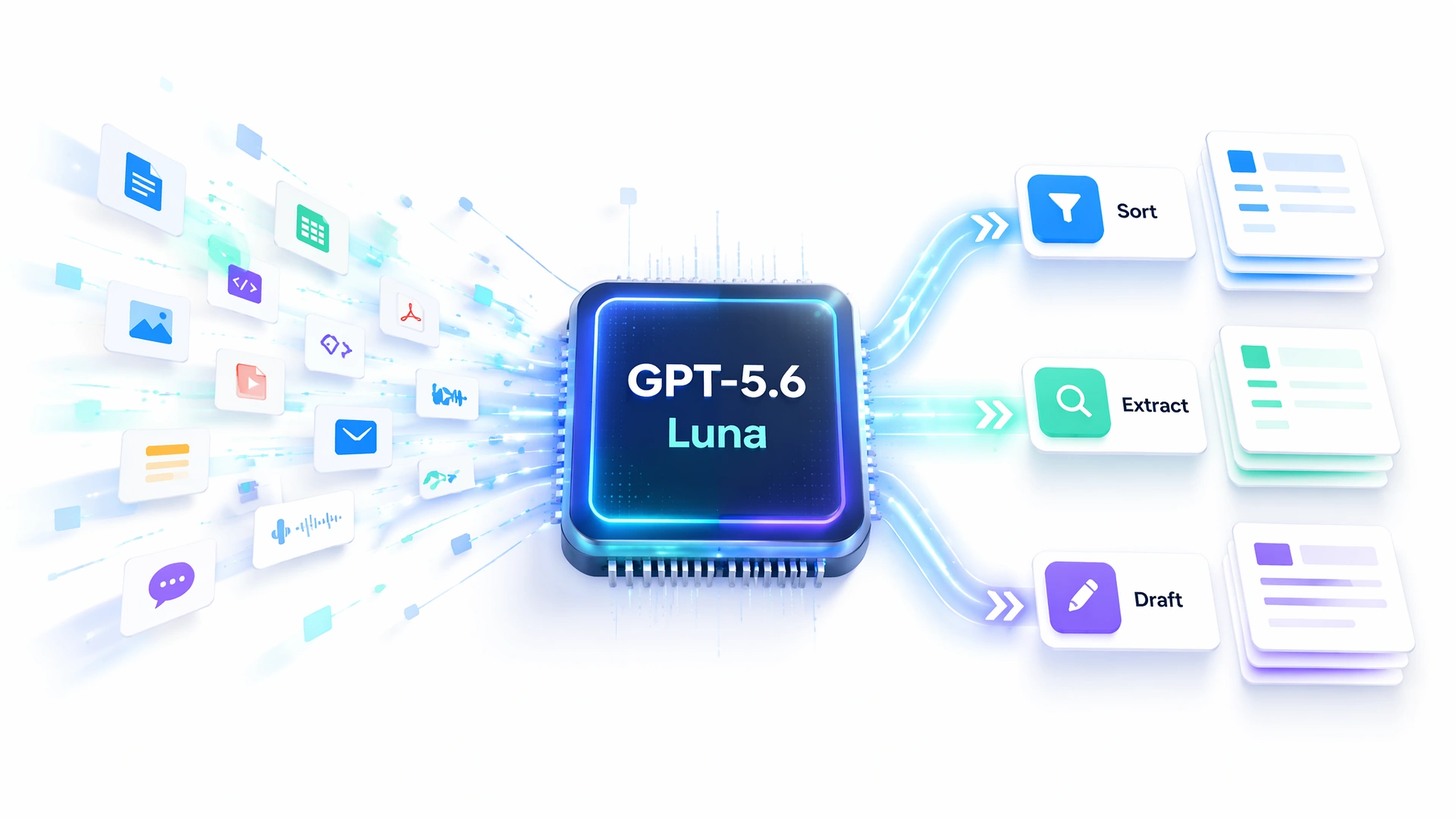
GPT-5.6 Luna powering fast workflow tasks in Muse.
Fast

Luna for fast, scalable task handling

GPT-5.6 Luna is described as the fastest and lowest-cost model in the GPT-5.6 family. In Muse, Luna is useful for lighter, high-volume tasks such as summarization, extraction, triage, and repeated workflow steps.

Muse turning GPT-5.6 capability into finished deliverables.
Muse workflow

From model output to finished deliverables

Muse is not just a place to chat with a model. It connects model capability with your chosen context, your preferences, and Muse skills for creating slides, reports, documents, websites, images, research briefs, and structured files.

Three GPT-5.6 tiers, three ways to move work forward

Muse can route tasks conceptually across Sol, Terra, and Luna depending on depth, speed, and workflow needs.

GPT-5.6 Sol

Deep work and expert-level reasoning

Use Sol when the work is complex, multi-step, or quality-sensitive: research synthesis, product strategy, software planning, analytical reports, design review, and complex document generation.

Best for

  • Deep research reports
  • Complex product strategy
  • Coding and technical planning
  • Design and interface critique
GPT-5.6 Terra

Balanced work for daily productivity

Use Terra when the task needs reliable reasoning but should still feel fast and practical: meeting prep, file summaries, weekly updates, email drafts, and operational planning.

Best for

  • Meeting briefs
  • Weekly reports
  • Document drafts
  • Project updates
GPT-5.6 Luna

Fast execution for repeated tasks

Use Luna when speed and scale matter: extracting action items, summarizing long threads, cleaning structured notes, classifying feedback, and preparing first-pass drafts.

Best for

  • Inbox triage
  • Short summaries
  • Action item extraction
  • High-volume content cleanup

GPT-5.6 Sol, Terra, and Luna at a glance

Use this as a practical guide for choosing the right GPT-5.6 tier inside Muse workflows.

GPT-5.6 SolGPT-5.6 TerraGPT-5.6 LunaBest used in Muse for
Primary roleFlagship model for the most demanding workBalanced model for everyday workFast model for scalable tasksMatch the model tier to the complexity and urgency of the deliverable.
Reasoning depthBest fit for deep reasoning, coding, research, and complex analysisBalanced capability and efficiencyPrioritizes speed and costUse Sol for strategy, technical planning, and high-stakes reports; Terra or Luna for recurring workflows.
Knowledge work outputsStrong fit for polished documents, presentations, spreadsheets, and interface reviewEveryday knowledge workLighter repeated outputsCreate decks, reports, briefs, summaries, and structured documents from connected context.
Cost and speed orientationHighest-capability tierBalanced tierFastest and lowest-cost tierUse Luna for high-volume summarization or extraction, Terra for daily work, and Sol for complex deliverables.

Model availability, routing, and performance may depend on Muse product implementation, user plan, and connected context. This table is a practical workflow guide, not benchmark or pricing advice.

Frequently asked questions about GPT-5.6 in Muse

Put GPT-5.6 to work inside Muse

Choose a personal AI assistant, connect the tools you want Muse to use, and turn GPT-5.6 capability into research, slides, reports, documents, and real workflow outcomes.