Meta Muse's Active Memory and Active Focus Update: What Changed
Meta announced an update to the models behind Muse and Meta AI on November 6, 2026. Specialized versions of its existing models, trained using Muse Wonder, bring two capabilities to the products: Active Memory, for using relevant information from earlier conversations, and Active Focus, for continuing toward a goal when an unexpected problem appears.
The distinction matters: this is an update to the models supporting the assistants, not an announcement that every request now runs on Muse Wonder itself. For users, the more useful question is whether the assistant can keep track of a changing task without making them explain it all again.
Active Memory: remember the detail that still matters
A long chat history is useful only if the assistant can find the right detail. Meta describes Active Memory as recognizing when earlier information becomes relevant, distinguishing temporary details from lasting information, and identifying context that has gone stale.
Imagine planning a small product launch. The audience and tone may stay the same for weeks, while the date and scope change after a review. Useful memory should carry forward the audience and use the revised date—not combine an old deadline with the newest plan. That is the kind of distinction this capability is designed to support.
Active Focus: recover when the original plan stops working
Active Focus addresses a different problem. Meta says Muse has been trained on real-world bottlenecks so it can make further attempts, recover from setbacks, or find alternatives while pursuing a goal. It also describes better handling of clarifications during a running task.
In the launch example, suppose a key asset is delayed. A useful next step might be to reorganize the draft around the available material and flag the missing asset, rather than abandon the task or invent a replacement. The goal stays visible even when the route changes.
What do Meta's results actually measure?
On Meta's Active Memory Eval, the current Muse model correctly used critical context in 90% of tasks, compared with 76% for the previous model—a rise of 14 percentage points. The metric is about using task-relevant context, not finishing 90% of every kind of task.
Meta also reports a 67% improvement in completing everyday Muse tasks where unexpected issues arise. It does not provide the starting completion rate in the announcement, so that figure cannot be read as a 67% final success rate or a gain of 67 percentage points. These are Meta's own evaluations of Muse; the post does not give separate numerical results for Meta AI.
These evaluations look at how AI uses context and handles changes during a task. An ongoing project brings both issues into everyday work.
Keep a project moving with MuseWork Memory
Projects often run for weeks or months. For a product launch, the audience you agreed on, changes made during reviews, and your preferred update format all matter the next time you work on it. When preparing this week's progress update, you still need that context—but you should not have to introduce the project all over again.
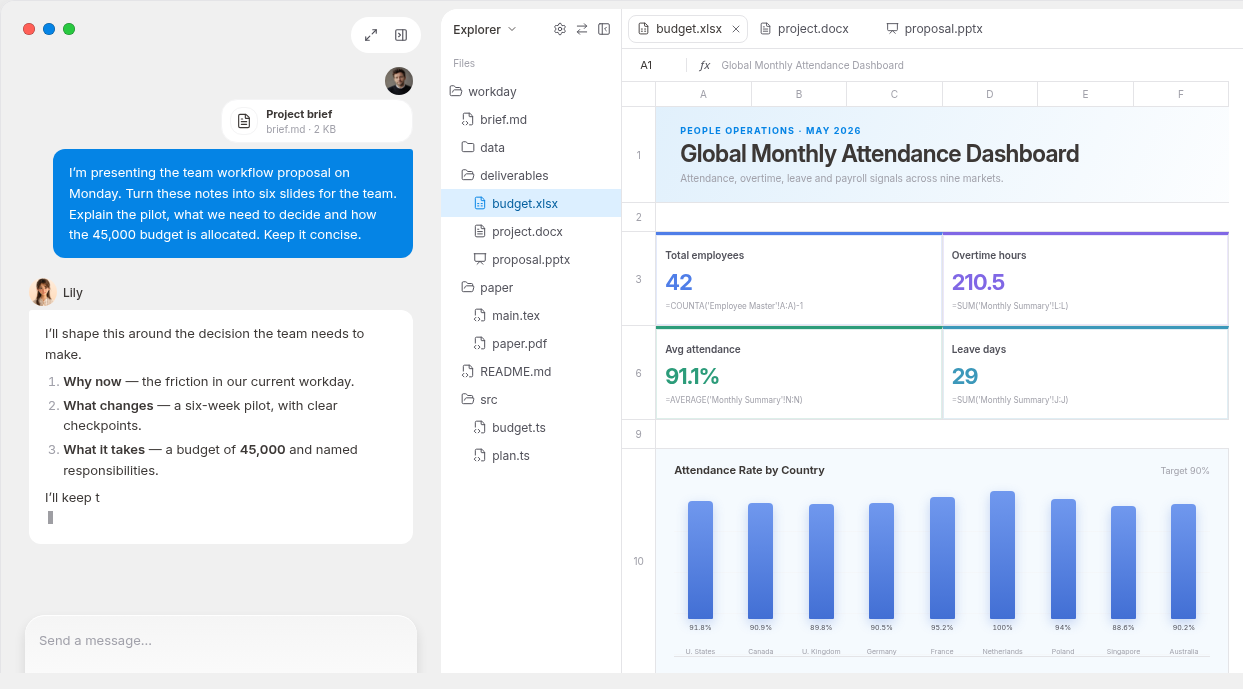
MuseWork Memory builds up that background as you work together. Memo captures important details from conversations and shared work, while Wiki organizes those memories alongside project materials you provide or authorize access to, so you can revisit the information and its sources. Later conversations can spend less time repeating the background and more time discussing progress and what needs attention next.
Start with a project already in progress: sign up and try MuseWork Memory. If the update also draws on project documents or information accessed through your browser, download MuseWork for desktop and ask the assistant to help organize them within the permissions you grant.
Sources
- Meta AI Research, Bringing Specialized Models to Muse and Meta AI, 2026-11-06.
FAQ
Is Active Memory the same as a bigger context window?
No. A context window describes how much information a model can handle in a request. Meta's description of Active Memory focuses on selecting and using relevant past information as circumstances change.
Does the update mean Muse Wonder itself powers every request?
No. The November 6 announcement describes specialized versions of existing models trained using Muse Wonder.
Does remembering a project mean every detail is current?
No. Keep dates and changes explicit, and check which source the assistant used. Remembering an old fact and recognizing that it has been replaced are different parts of the job.
Are MuseWork and Meta Muse the same product?
No. They belong to different companies and teams and are unaffiliated. MuseWork Memory and Meta's Active Memory are separate memory systems.