All-in-One AI Paper Writer, From Idea to Final Draft
Tell MuseWork what you are writing. Get help with the topic, research, structure, citations, illustrations, revision, and a submission-ready Word document—without fabricated evidence.
Essay WriterAdd a topic or upload the assignment requirements
From Assignment to Submission
MuseWork supports the whole academic writing process, so you can move from an unclear brief to a structured, evidence-led paper.
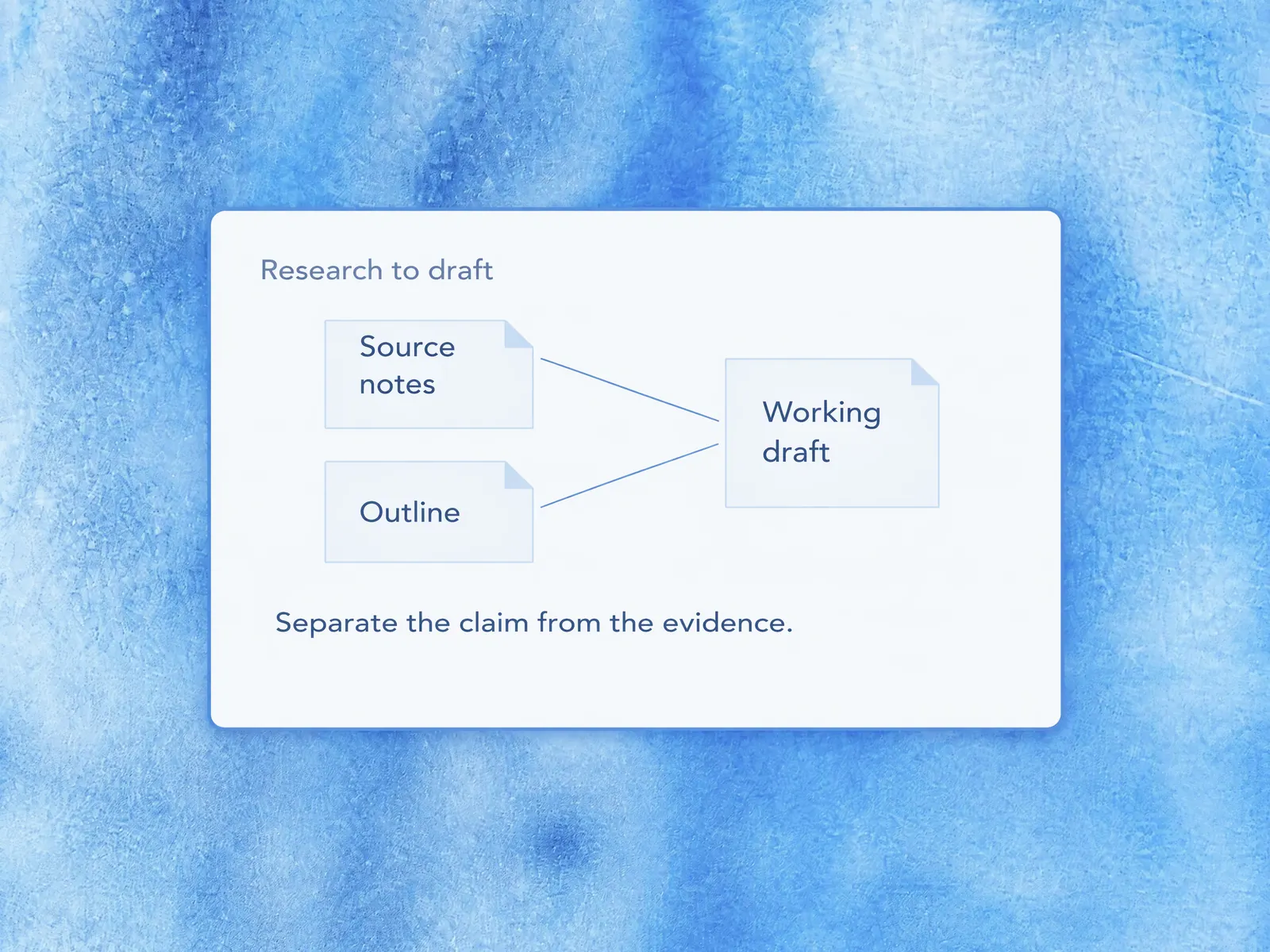
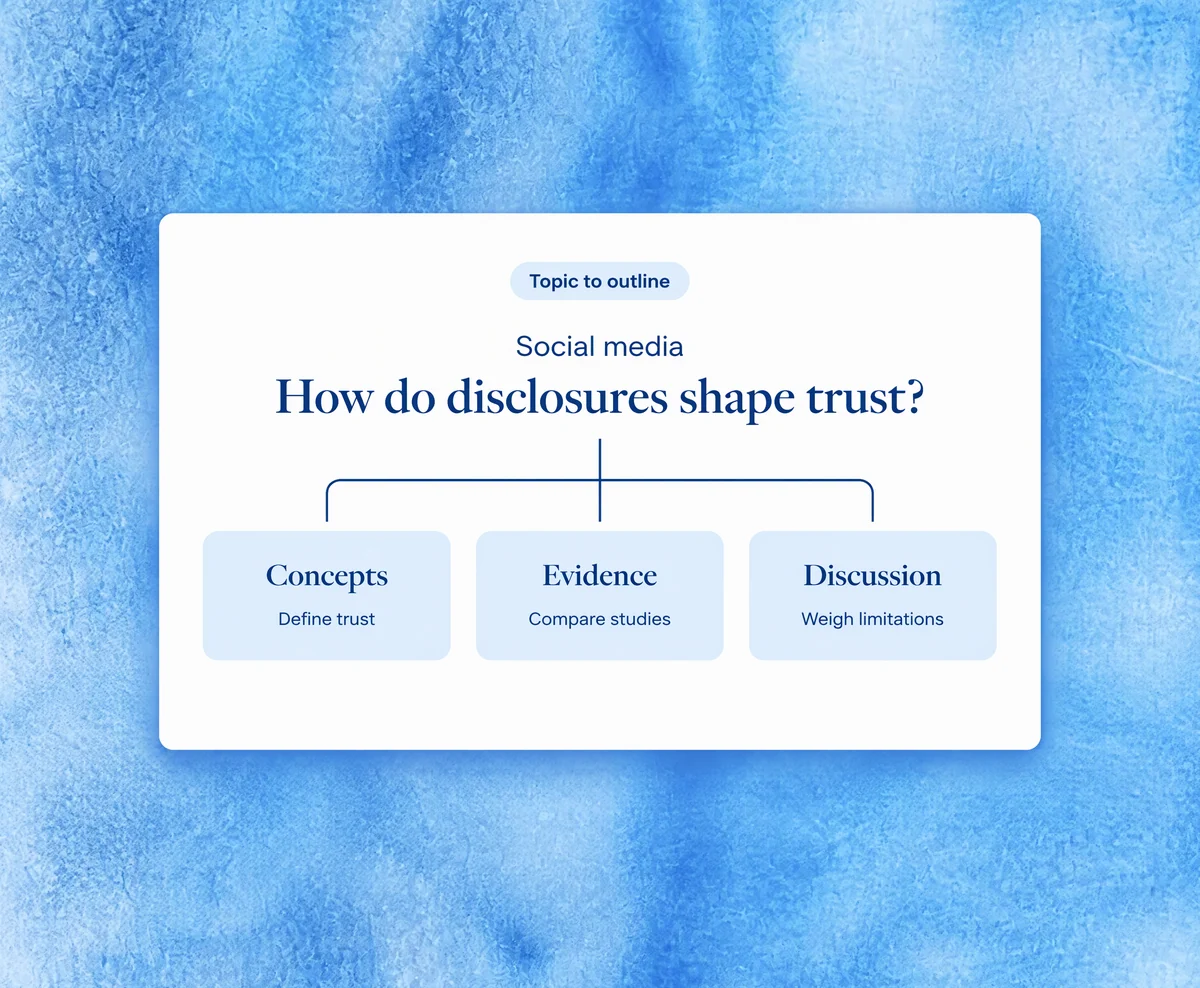
Topic, Research Question, and Outline
Find a focused topic that fits your subject, level, and assignment.
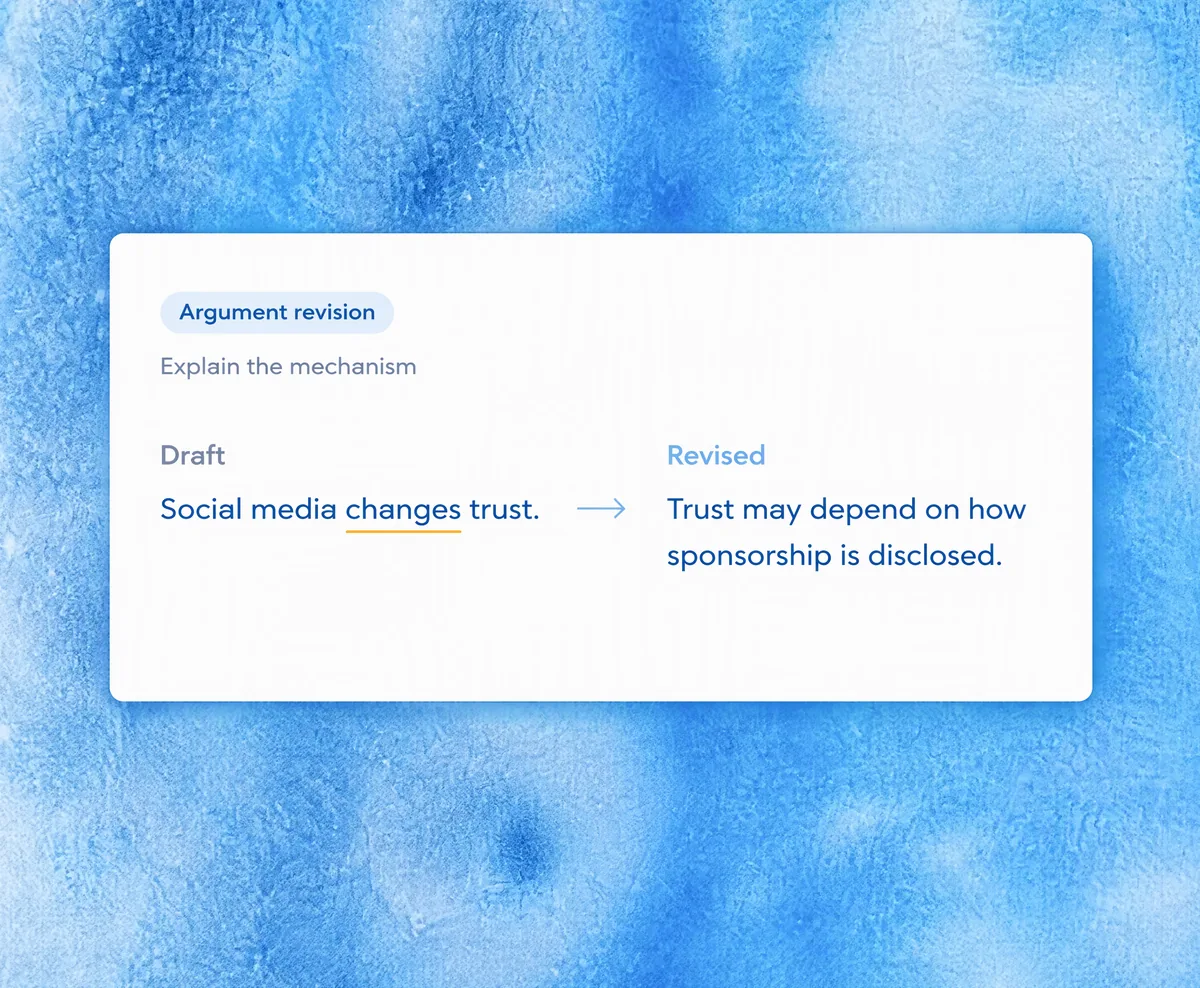
Turn a broad idea into a researchable question or defensible thesis.
Build a logical outline with clear section goals and word allocation.
MuseWork is a personal AI assistant for the full paper workflow. It can work from the materials and tools you choose to connect, while keeping important decisions under your control.
MuseWork
Basic Writing Tool
General AI Chat
Starting material
Topic, brief, notes, draft, files, or permitted connected context
Usually a topic or short prompt
Prompt and pasted context
Research and citations
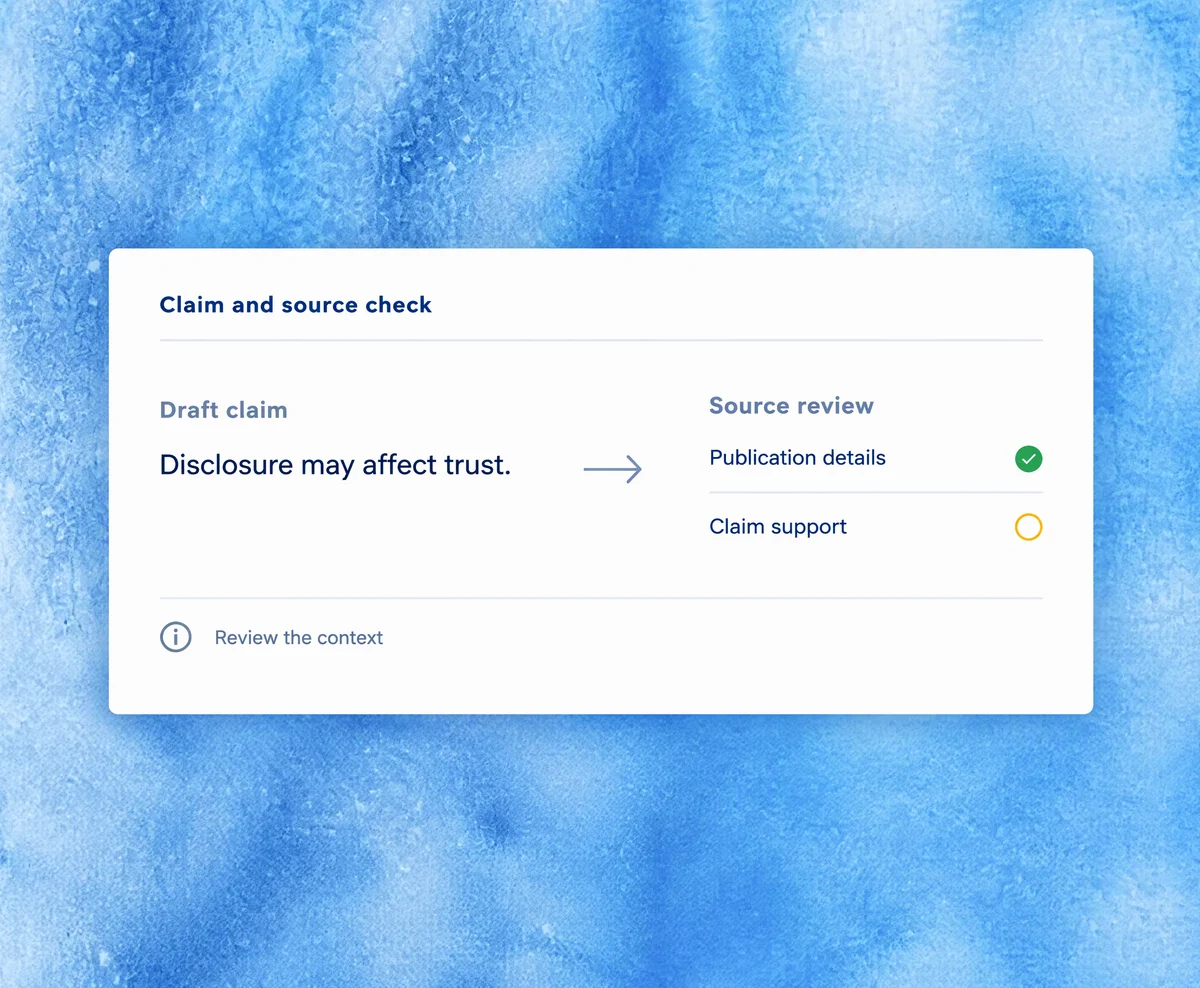
Verifies source identity and checks whether evidence supports the claim
May insert references
Can suggest sources for checking
Workflow depth
Supports topic, research, outline, drafting, revision, citation, and Word delivery
Produces a draft
Helps through conversation
Academic integrity
Does not fabricate sources, data, participants, experiments, or results
Varies by tool
Depends on the request and review
Final output
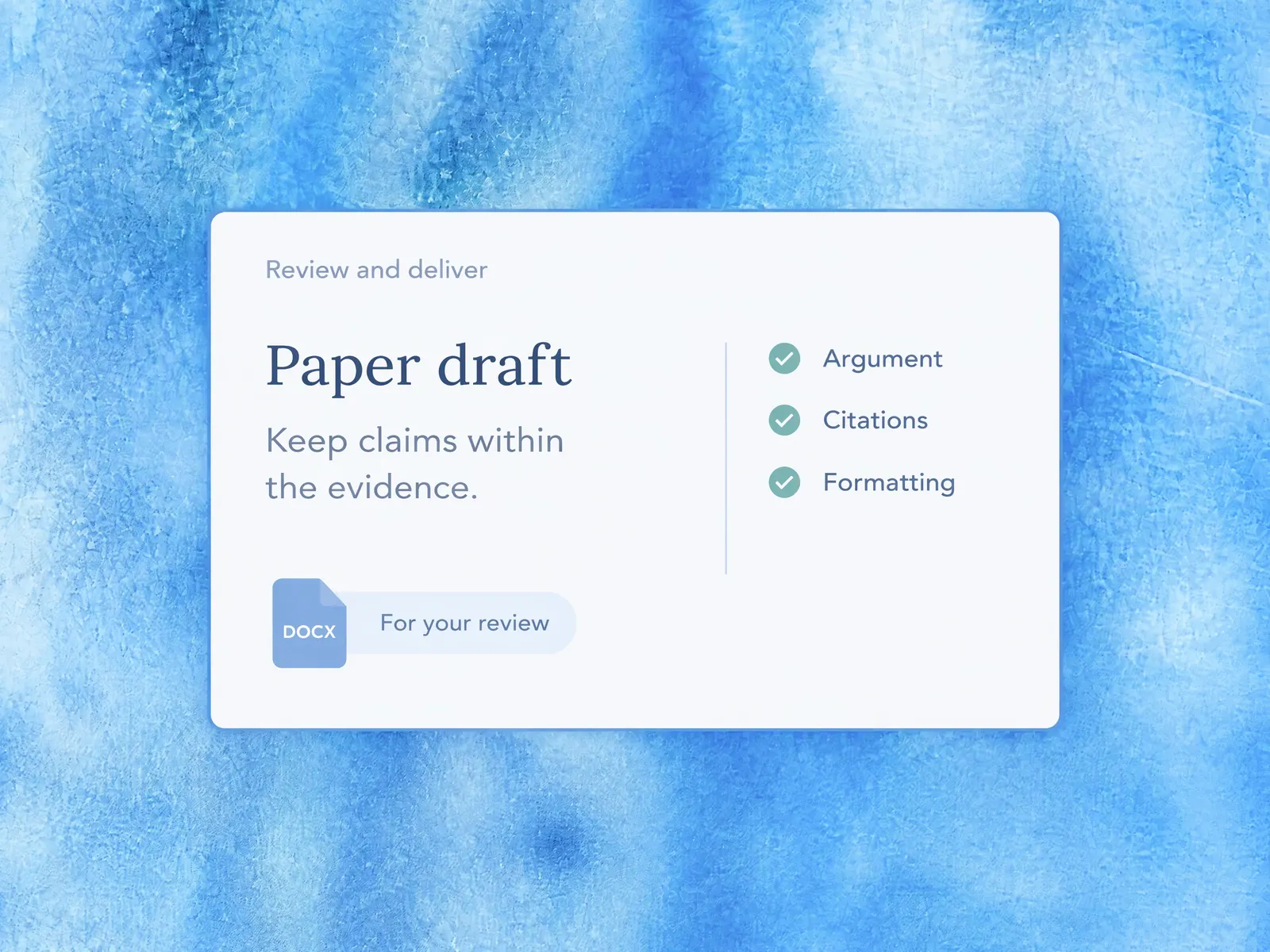
Structured academic content with paper illustrations and submission-ready DOCX formatting
Copyable text
Conversational response
User control
You review and refine the work; MuseWork asks before important actions
An AI essay writer helps plan, draft, revise, and format written academic work. MuseWork extends that workflow with research planning, source verification, citation checks, and Word delivery.
You describe the assignment and provide the requirements or materials you have. MuseWork clarifies essential gaps, plans the argument and evidence, drafts the paper, and helps you review the result.
Yes. MuseWork can support a complete course paper, literature review, proposal, or thesis chapter when the topic, level, length, evidence status, and formatting requirements are clear.
MuseWork can verify bibliographic details such as authors, titles, publication dates, DOI records, and URLs. It also checks whether the accessible source supports the specific claim being made.
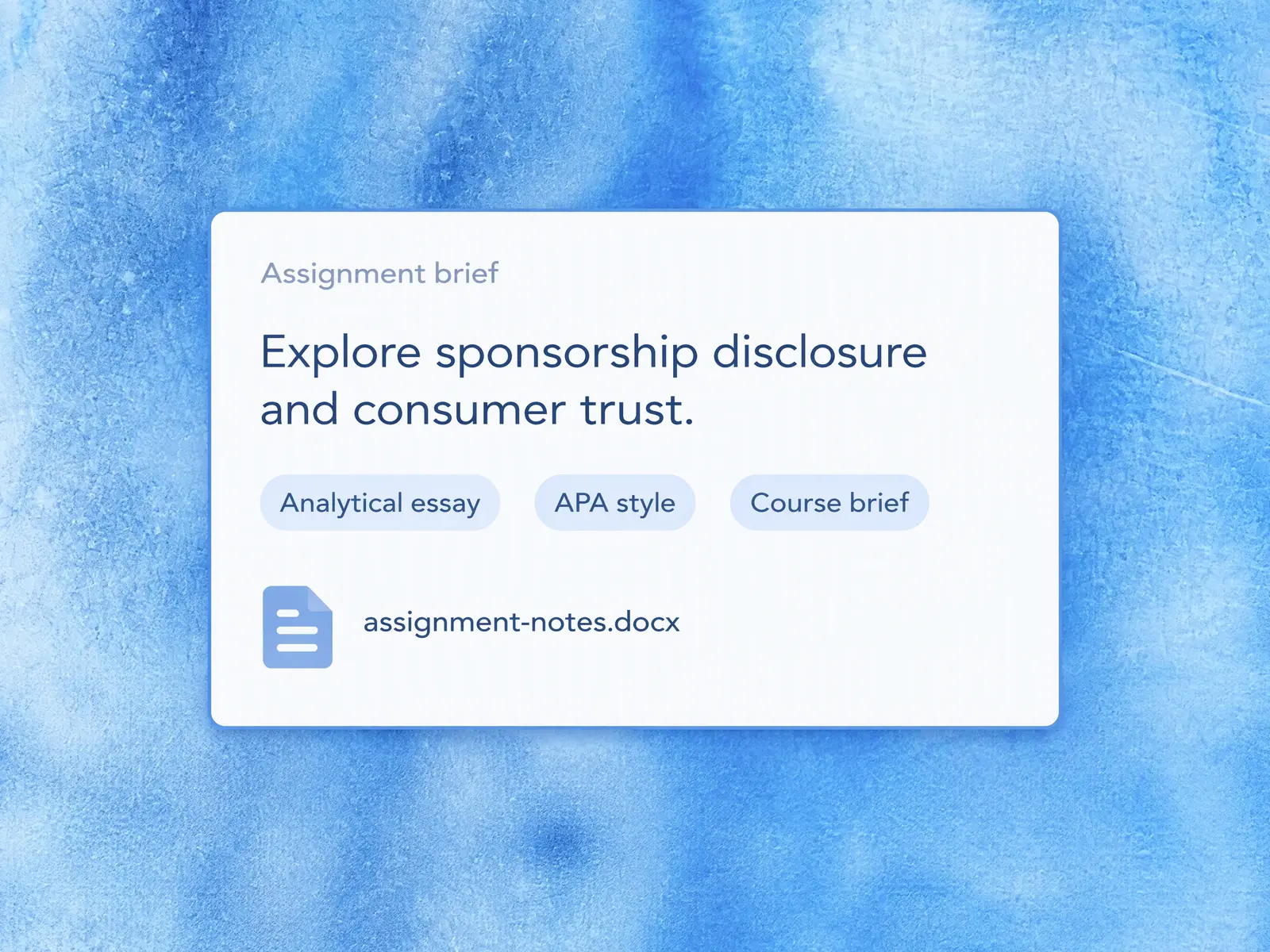
Yes. You can provide assignment instructions, rubrics, notes, source files, data, or a draft so MuseWork can work from the material you choose to share.
Yes. MuseWork supports major citation systems and institution-specific requirements, with the current school, journal, or publisher template taking priority when provided.
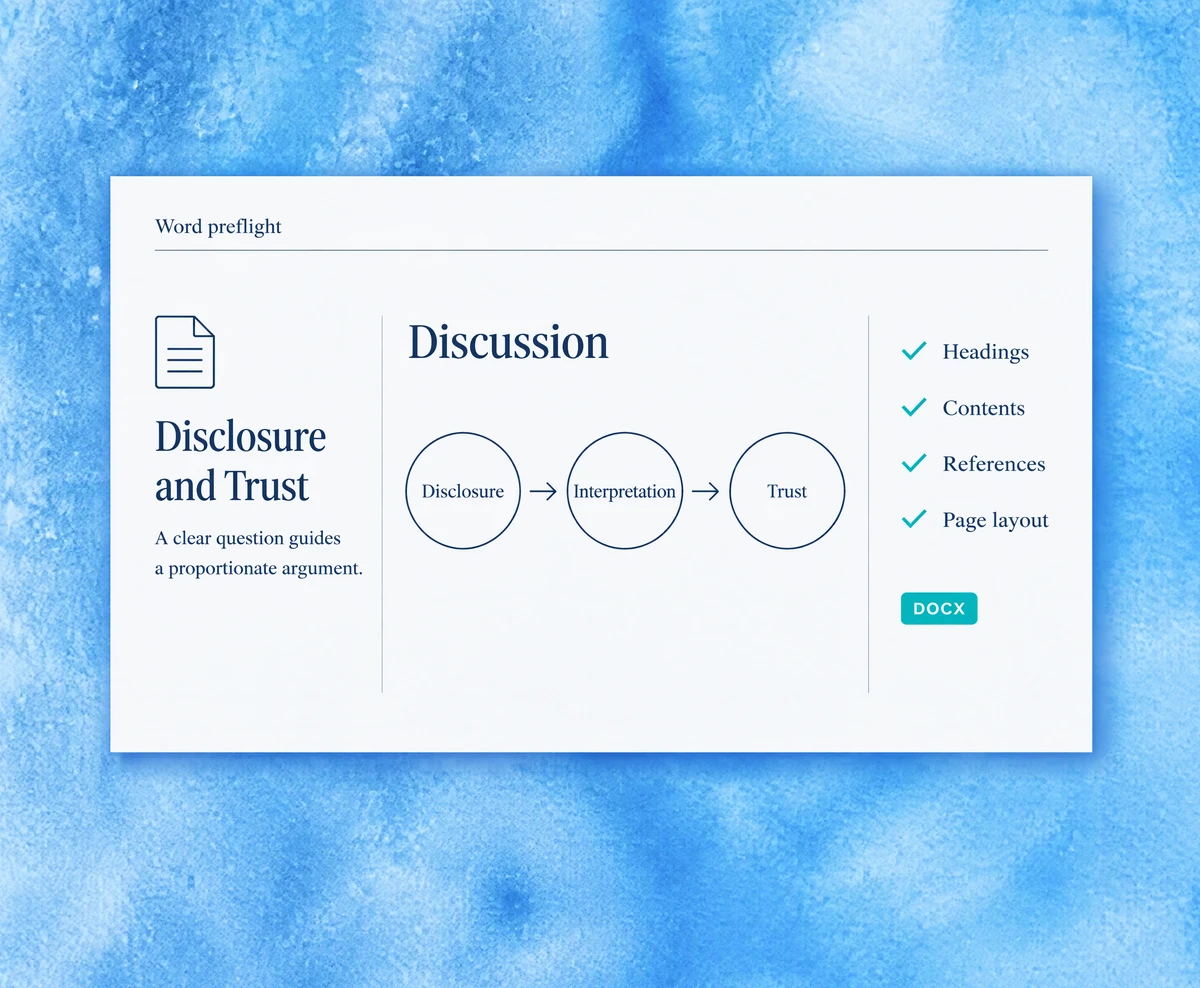
Yes. The Academic Paper Writer workflow can produce a DOCX with structured headings, page numbers, tables, figures, editable equations, citations, references, and preflight checks.
That depends on your institution's AI-use policy and assignment rules. MuseWork helps you work transparently and does not promise to bypass AI detection or conceal prohibited use.
No. MuseWork does not invent references, quotations, page numbers, participants, interviews, experiments, data, statistical results, or ethics approval. Missing evidence remains clearly identified.
When connected with your permission, MuseWork can use relevant material from tools you choose to connect, such as Google Drive, Notion, Slack, or GitHub. You stay in control, and MuseWork asks before important actions.


 Try it free